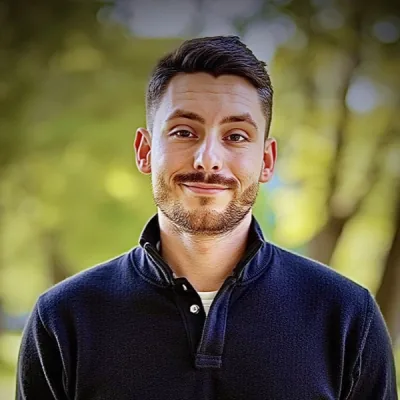
Brent Bagley
District 3 must become the epicenter of this economic growth and modernization.
On his vision for District 3
Key Issues
About
Brent Bagley is a challenger for the District 3 seat on the Salinas City Council in the 2026 election.
In his questionnaire responses, he centers his campaign on Salinas’ rising cost of living and housing squeeze — calling for stronger protections and relief for renters, more paths to first-time homeownership, and a modernized approach to zoning and permitting. He also argues for cutting the red tape and fees he says strangle small businesses and startups, and for investing in modern, resilient infrastructure so the next generation can build equity in Salinas.
Biography and issue labels summarize the candidate’s questionnaire response, published July 6, 2026. The complete answers appear below with their substance retained; any formatting or safety change is marked.
At a Glance
2026 Filings
Data as of 2026-09-19. From the campaign statements committees filed with the City of Salinas; coverage differs by committee.
- Monetary contributions
- Unavailable
No committee in the 2026 filings was matched to this candidate, so the 2026 figures are unavailable, not zero.
This candidate in 2026 Money →In Their Own Words 3 min read
Transparent Salinas uses the same six-question form for candidates it contacts in a covered race; outreach dates can differ and are listed in each profile. Responses retain their substance; any formatting or safety redaction is marked.
1. What’s one thing about Salinas that keeps you up at night?
“The escalating cost of living and the critical housing squeeze impacting our residents. Too many renters are being pushed to their financial limits, while the dream of new homeownership feels completely out of reach for the next generation of Salinas families. When our workforce cannot afford to live in the city they build, it creates an unstable economic foundation. We must aggressively tackle housing accessibility, support our tenant community, and build paths to equity. District 3 must become the epicenter of this economic growth and modernization, setting the standard as a blueprint that spreads through the rest of the city and the county beyond.”
2. What’s something you think the city is getting right that people don’t see?
“The incredible energy and ambition of our rising generations. The problem with our local economy does not lie in a lack of talent or drive; we have a young, inventive workforce graduating into adulthood with a massive desire to build, grow, and invest in their hometown. What the city is getting right is cultivating this raw potential, but it stems from necessity not a helping hand. Where we are failing them is in the execution. Our local entrepreneurs and young professionals have the passion to revolutionize our small business ecosystem—they just need city hall to clear the outdated bureaucratic roadblocks so they can actually run, stay, and build.”
3. If you could fix one thing in your district tomorrow, what would it be?
“I would immediately modernize our local zoning laws and permitting processes to lower the barriers for our residents and local economy. For renters and young home buyers, this means clearing the bureaucratic roadblocks that stall the development of affordable, high-quality housing and entry-level properties, allowing the next generation to build equity right here in Salinas. Enough empty buildings and undeveloped lots. Simultaneously, I would cut the prohibitive red tape and excessive fees that strangle small businesses and startups. By transforming our city’s regulatory framework into an agile, supportive partner, we can make it faster and more affordable to open a shop, launch a venture, or buy a first home in District 3 tomorrow.”
4. What is an improvement you’ve made in your district or the city that you’re proud of?
“The greatest improvements start from more awareness, not raw effort. I am focused on introducing a baseline of pragmatic optimism into our local community, shifting the conversation away from standard bureaucratic complaints and toward what the future can and should be.
Many generations now have been plagued with a lack of hope for a very feasible future. The disease of addiction and poverty go hand-in-hand, and is unfortunately as easily overlooked as it has been to fall into for far too many. Increased education spending and a higher volume of minimum wage job opportunities supplied by big business interests do not and have not fixed this.
By delivering clear, actionable plans and working directly with local businesses, I have focused on inspiring an achievable, transparent sense of progress. True civic improvement is about demonstrating that structural goals can be hit efficiently and timely. When people see transparent execution, it builds the community momentum required to drive larger changes across the city and beyond.”
5. What do you want to be remembered for when your term ends?
“I want to be remembered as the councilmember who delivered tangible upward mobility for District 3 and its neighboring districts and unincorporated areas. Success looks like measurable relief and protections for our renters, a clear increase in new ownership opportunities for local families, a booming small business corridor free from unnecessary red tape, and modern, safe infrastructure. I want my legacy to be an efficient, accountable local government that structurally improved the daily quality of life for every resident, not big business that has and would just as quickly abandon it for profit over people.”
6. What should Salinas look like in 10 years?
“10 years should be a magnification of what we can achieve in 4. Salinas should be a thriving, balanced city where historic roots meet modern economic security. Ten years from now, District 3 should be a model neighborhood where renters are secure and supported, new homeowners are actively building generational wealth, and a diverse array of small businesses anchor our vibrant commercial corridors. Salinas should be the destination and its residents, and their children, proud and secure. All of this will be underpinned by modernized, resilient infrastructure that ensures our streets are safe, clean, and built to last for decades to come.”
Timeline
Questionnaire responses retain their substance; clearly marked formatting or safety redactions may be made. Candidates the project contacts in the same covered race receive the same questions, but not necessarily on the same date; the invitation and response status above reflects the project’s outreach log. Unless submitted in Spanish, text on Spanish pages is a Transparent Salinas translation; if it differs, the original-language response controls. Compare this full 2026 field.